Key points
- Compare robots only after defining the task and machine category.
- Keep each figure beside its operating conditions and manufacturer caveats.
- Treat missing values as unknown—not as zero, typical or inferior.
This engineering guide uses published specifications from NASA, Boston Dynamics and Universal Robots as worked examples. It does not rank the machines or claim hands-on testing.
Start with the job, not the largest number
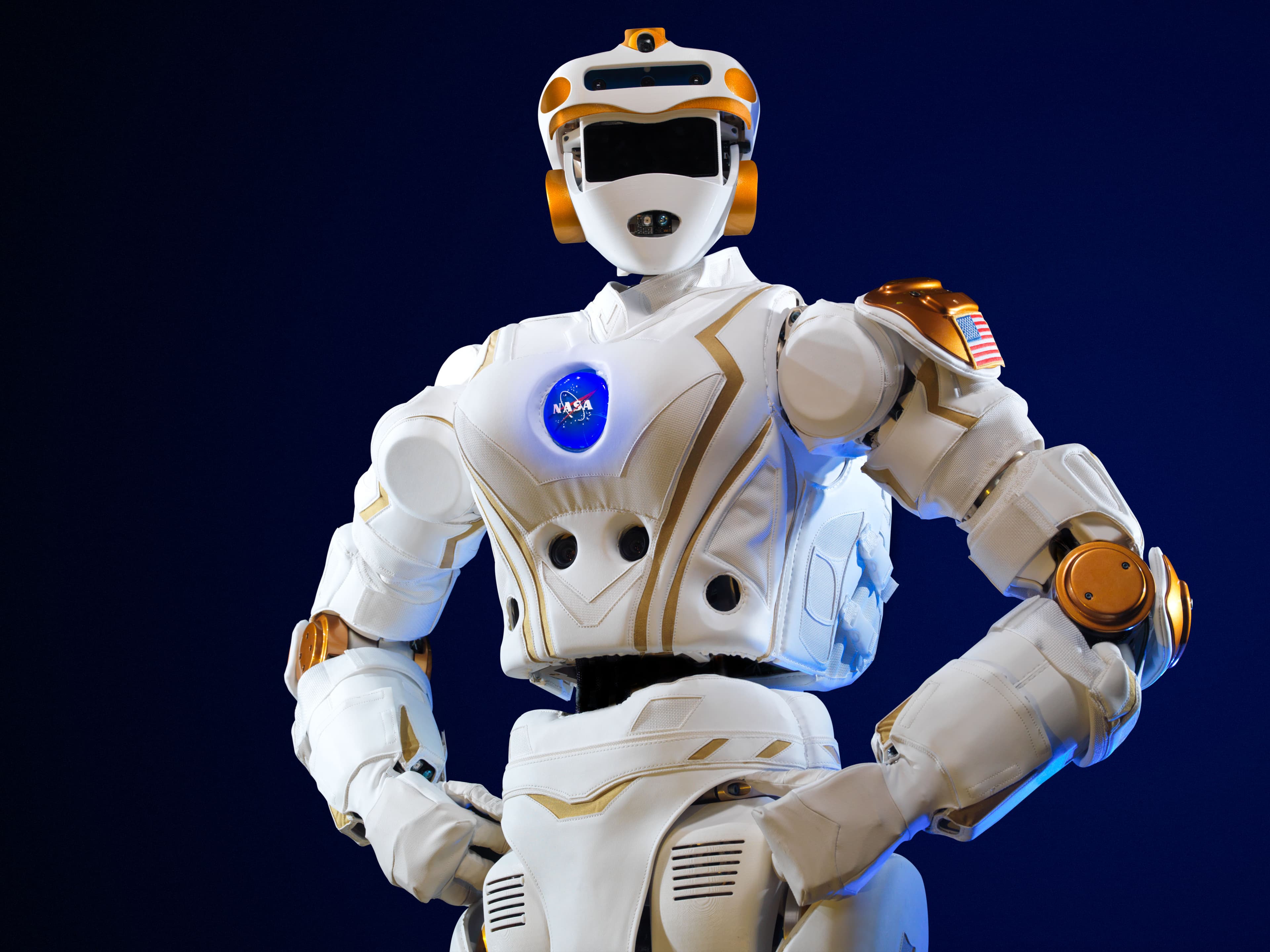
A specification only becomes useful when it is connected to a task. The UR5e’s published 5 kg payload and 850 mm reach describe the working envelope of a collaborative arm. Spot’s 14 kg maximum payload and approximately 90-minute typical runtime describe a mobile base carrying equipment through an environment. Valkyrie’s 44 degrees of freedom and battery configuration describe a humanoid research platform. Putting those numbers into one score would hide more than it reveals.
The first comparison should therefore define the work: what must move, where it must move, how accurately it must return, what energy sources are available and what safe operating boundary is required. Only then should individual specification fields enter the decision.
Preserve the conditions behind every figure
Manufacturer figures are not automatically interchangeable. Boston Dynamics states that Spot’s runtime varies with payload and environmental factors. Universal Robots publishes UR5e pose repeatability under ISO 9283, which is not the same thing as absolute positioning accuracy. NASA’s public R5 information describes a research system rather than a commercial product with a conventional buyer specification and support package.
A defensible comparison records the source, publication or access date, units and caveats beside the value. Converting units can help readers, but the original value should remain visible. If the test condition or definition differs, the table should say so instead of presenting false precision.
Separate declared capability from deployment evidence
A specification sheet can establish dimensions, declared limits, interfaces and environmental ratings. It does not by itself establish reliability, integration cost, serviceability or success in a particular facility. Those conclusions require evidence from the actual application, a documented test or a suitably comparable deployment.
This distinction is especially important when one machine is a research platform and another is a supported commercial product. Availability, documentation, training, spares and integration responsibilities can matter as much as the robot’s physical envelope, but those factors must be verified rather than assumed.
Use an honest comparison record
For each requirement, record the required value, the published robot value, the source and any unresolved question. Mark unavailable information as unknown. Reject a candidate only when a verified requirement is not met—not merely because its manufacturer publishes a different set of metrics.
The result is less dramatic than a single league table, but it is more useful: readers can see which facts are established, which comparisons are valid and where engineering work is still required before a decision can be made.
Primary sources
- R5 — NASA’s Valkyrie robotNASA · accessed 19 September 2026
- Spot product specificationsBoston Dynamics · accessed 19 September 2026
- Spot specificationsBoston Dynamics Support Center · accessed 19 September 2026
- UR5e technical specificationsUniversal Robots · accessed 19 September 2026